About Sewage Treatment Plant - 100m3 Per Day
A 100 KLD STP is designed to treat 100,000 litres of sewage per day, converting wastewater into reusable or environmentally safe discharge water.
Treatment Process
Typical stages include:
- Screening & grit removal removes large solids
- Equalization tank stabilizes flow
- Biological treatment (MBBR / SBR / MBR) breaks down organic matter
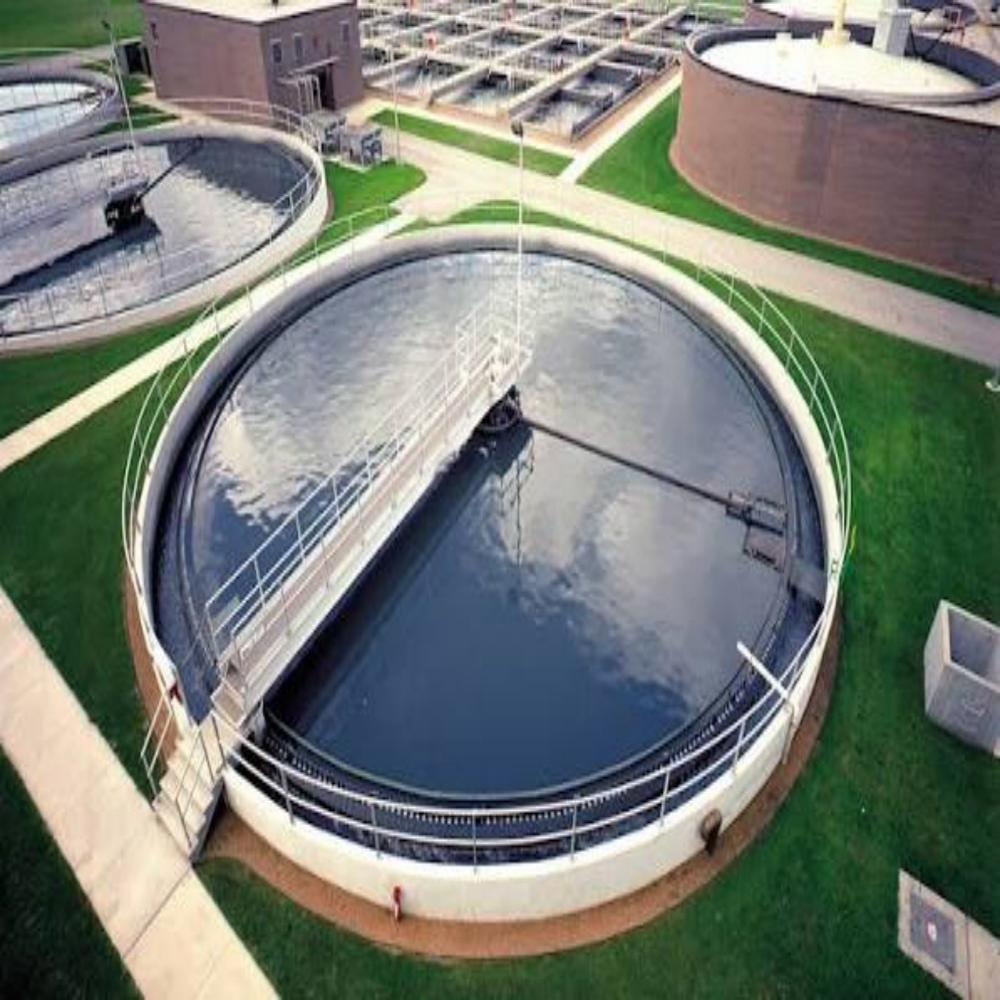
- Secondary clarifier sludge separation
- Tertiary treatment filtration + UV/chlorination
These systems remove:
- Suspended solids
- Organic pollutants (BOD/COD)
- Oil & grease
- Pathogens and bacteria
STPs are essential to prevent water pollution and enable reuse, converting sewage into usable water
Typical Technical Specs
- Capacity: 100 KLD (100,000 L/day)
- Technology: MBBR / SBR / MBR
- Power consumption: 10 kW to 40 kW
- Material: RCC / Mild Steel / FRP
- Automation: Semi or fully automatic
- Footprint: Medium to large (prefab systems reduce space)
Advanced STPs (like MBBR/MBR) improve efficiency and reduce operational effort
Applications
- Large apartments (250500 residents)
- Hotels & resorts
- Hospitals
- Malls & commercial complexes
- Medium-scale industries
Price Range (India)
- Basic systems: 8L 12L
- Mid-range: 12L 18L
- Advanced/premium: 18L 30L+
Key Buying Tips
- Best overall MBBR system (low maintenance + stable output)
- Highest water quality MBR system
- Strict TNPCB norms go for tertiary + automation
- Large project RCC civil STP (long life)
- Limited space prefabricated modular STP
Simple explanation
A 100 KLD STP is like a full-scale water recycling plant for a large building or facilitytreating all sewage and turning it into reusable water for flushing, gardening, HVAC, or cooling systems.
Final recommendation
- Choose MBBR + fully automatic for most projects
- Upgrade to MBR if you need high-quality reuse
- Always design based on actual sewage load + Tamil Nadu Pollution Control Board norms
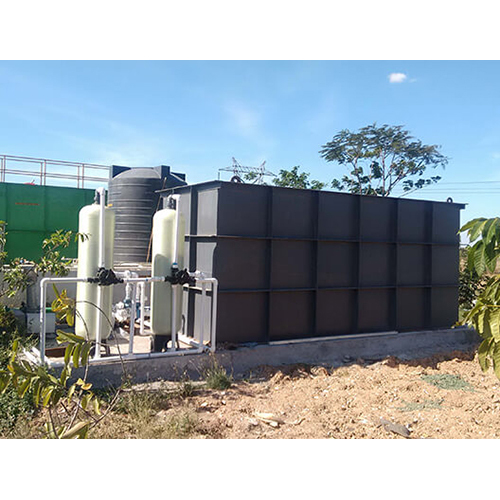
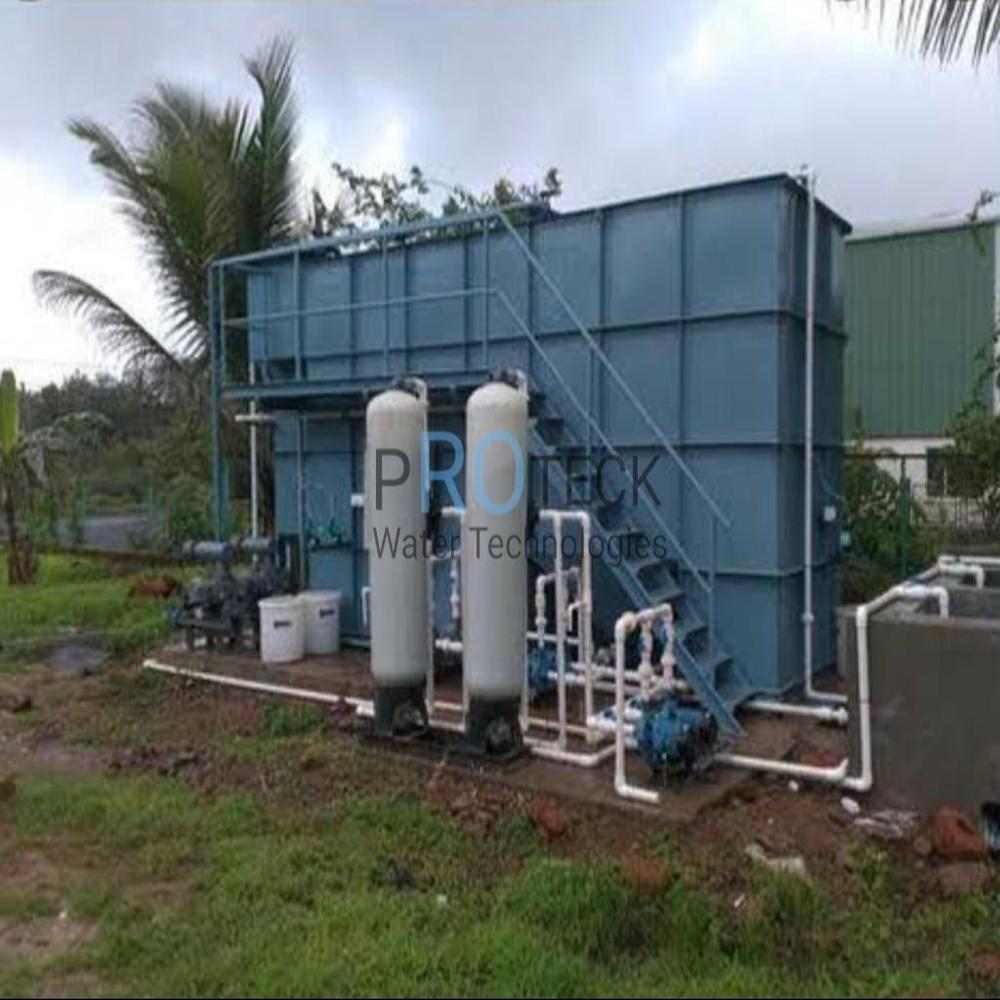
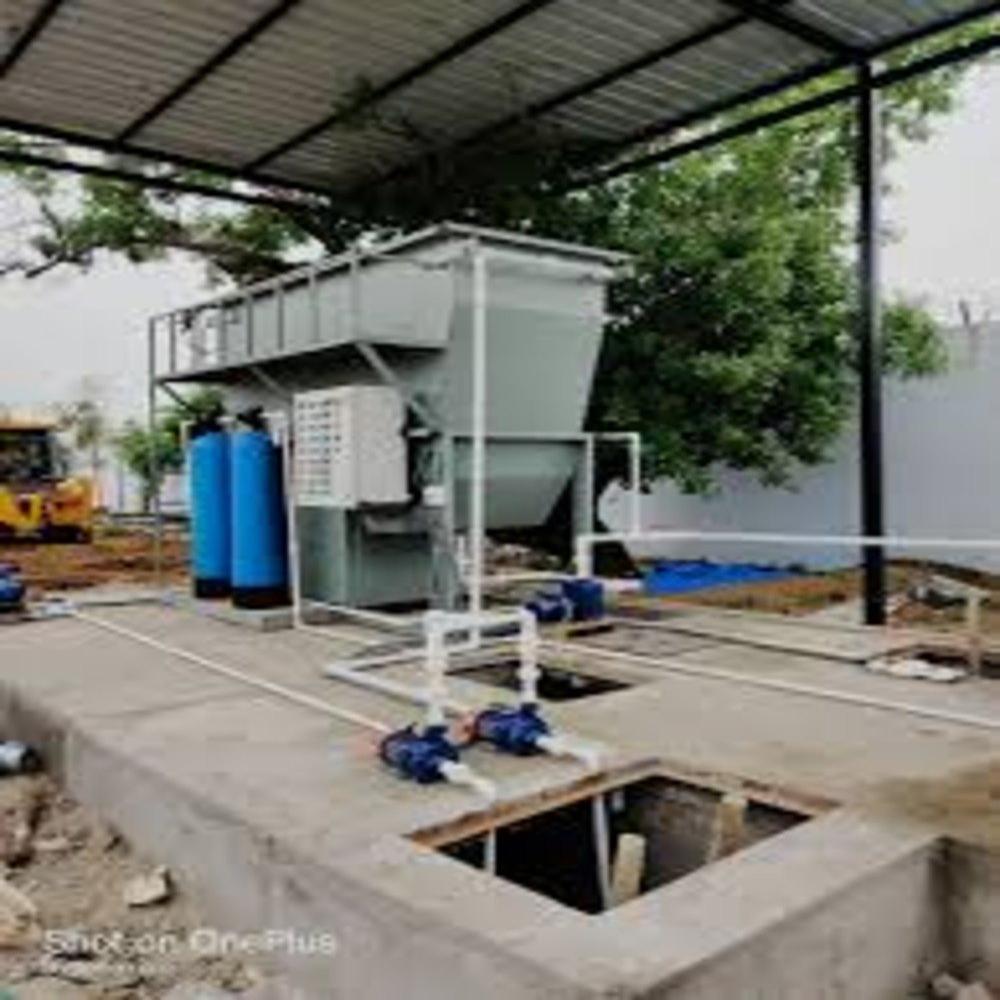
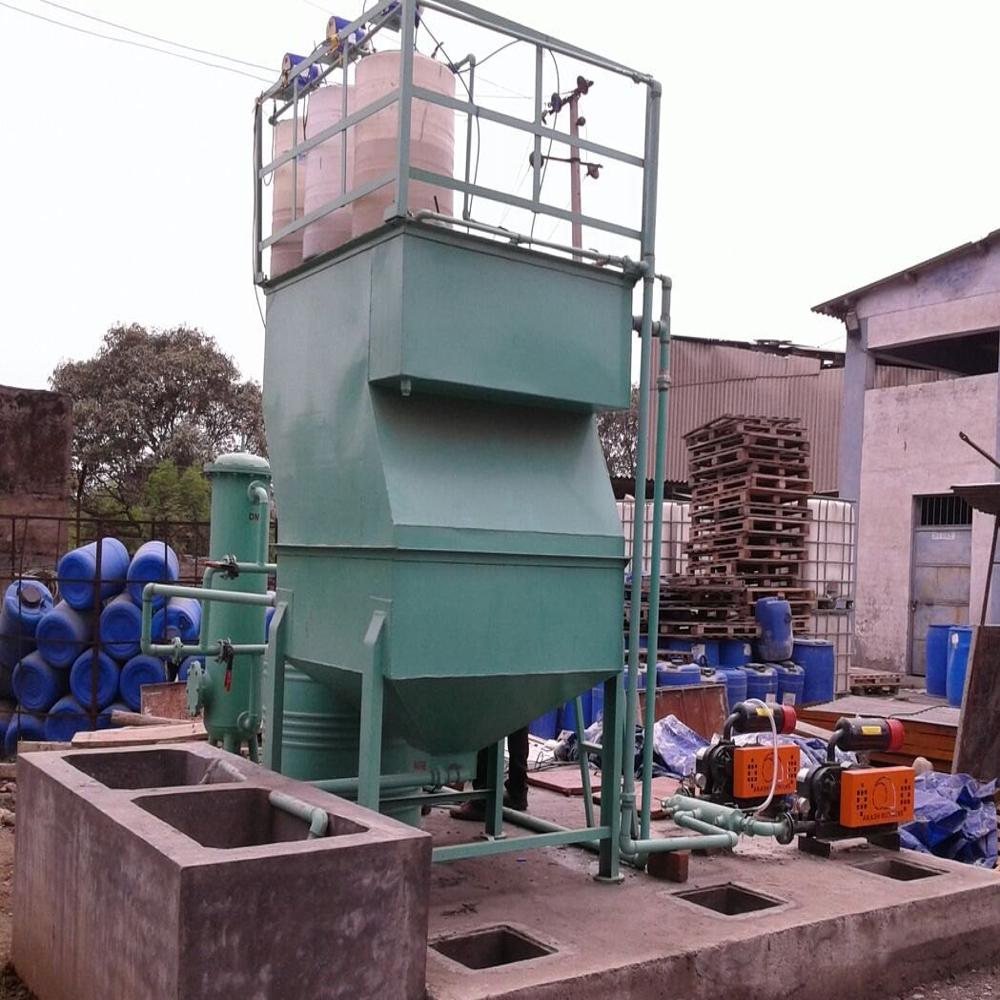
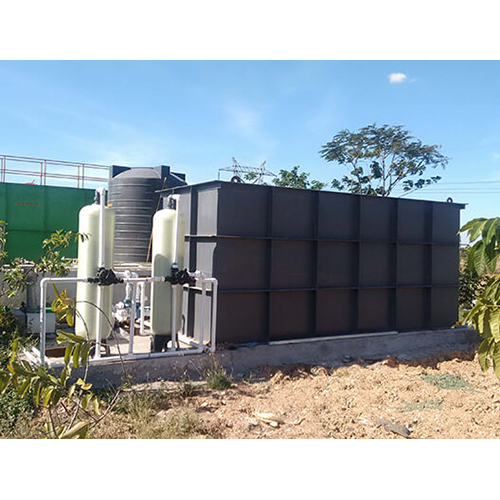
Efficient Daily Sewage ProcessingEngineered for continuous automatic operation, this plant simplifies industrial wastewater management. Its 100m3 daily capacity ensures treatment needs are met for a wide range of industrial setups, supporting environmental compliance.
Durable FRP ConstructionThe plant is constructed from Fiber Reinforced Plastic (FRP), providing outstanding durability, reduced maintenance needs, and long-term service life-even in challenging working environments.
Nationwide AccessibilityAccessible across India through multiple channels such as distributors, manufacturers, service providers, and suppliers, this sewage treatment plant offers flexibility and prompt support wherever your facility is located.
FAQ's of Sewage Treatment Plant - 100m3 Per Day:
Q: How does the automatic operation of the Sewage Treatment Plant work?
A: This plant utilizes advanced control systems to automate all stages of the sewage treatment process. Sensors and programmed logic manage the flow, treatment, and discharge, reducing the need for manual intervention and ensuring consistent performance.
Q: What is the typical process followed by the 100m3 per day Sewage Treatment Plant?
A: The treatment plant processes wastewater through multiple stages including preliminary screening, biological treatment, and advanced filtration. This setup efficiently removes contaminants, resulting in environmentally safe, treated water suitable for disposal or reuse.
Q: When should my industrial facility consider installing this sewage treatment plant?
A: Industries generating significant wastewater should install a plant when seeking compliance with environmental regulations or aiming to reduce water pollution. Early adoption supports sustainability and can prevent regulatory issues.
Q: Where can this industrial sewage treatment plant be deployed in India?
A: The plant is adaptable to various industrial facilities across India, from manufacturing units to processing plants, and can be installed wherever industrial sewage treatment is required.
Q: What are the primary benefits of using an FRP-constructed sewage treatment plant?
A: FRP offers excellent resistance to corrosion, lightweight construction, and high tensile strength, which means reduced maintenance, lower lifecycle costs, and a long service life compared to traditional materials.
Q: How does using this plant support industrial compliance and efficiency?
A: Automated operation decreases labor costs and ensures uniform treatment standards, aiding companies in maintaining compliance with local environmental norms while optimizing operational efficiency.






 Send Inquiry
 Send Inquiry
 Send SMS