About RO PLANT
RO plant stands for a
Reverse Osmosis plant. It is a water treatment system that uses high pressure to push water through a special thin filter (a semi-permeable membrane). This filter blocks salts, minerals, heavy metals, and germs, leaving clean, safe drinking water behind. [
1,
2,
3,
4,
5]
Advanced Purification TechnologyLeveraging reverse osmosis with thin film composite (TFC) membranes and multi-stage filtration, this plant reliably removes impurities and reduces TDS, producing high-quality water ideal for industrial and institutional applications. Optional UV sterilization offers an added layer of safety.
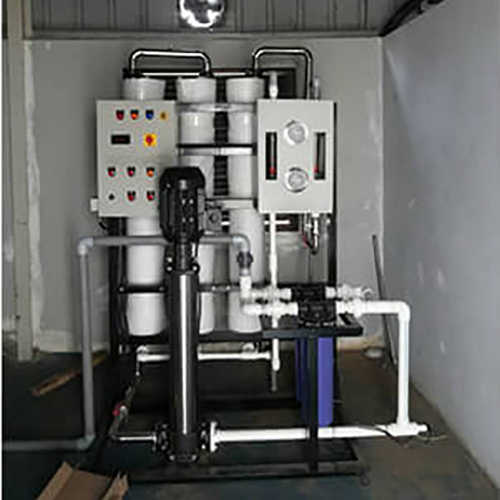
Efficient and User-Friendly OperationEquipped with a microprocessor-based digital control panel and automatic operation, the RO plant offers straightforward management and monitoring. Features such as auto-flush and automated safety controls ensure seamless, low-maintenance performance.
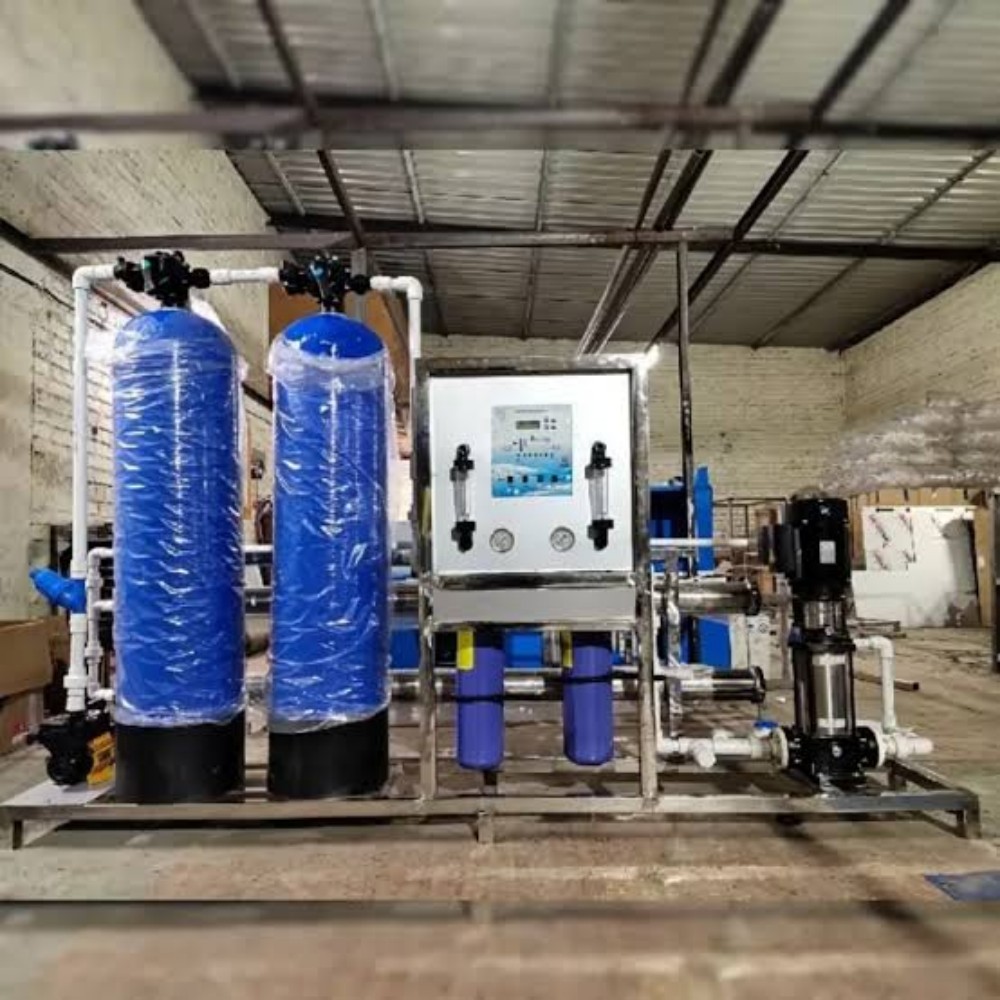
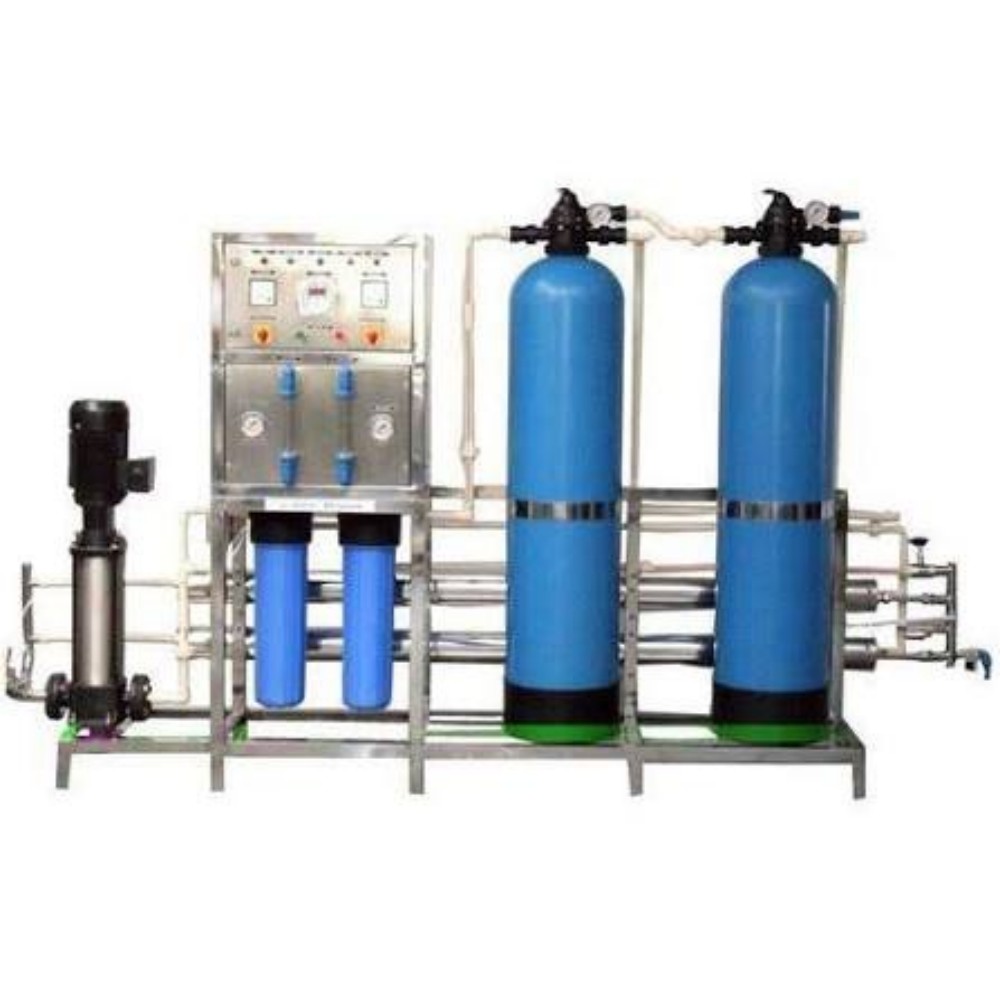
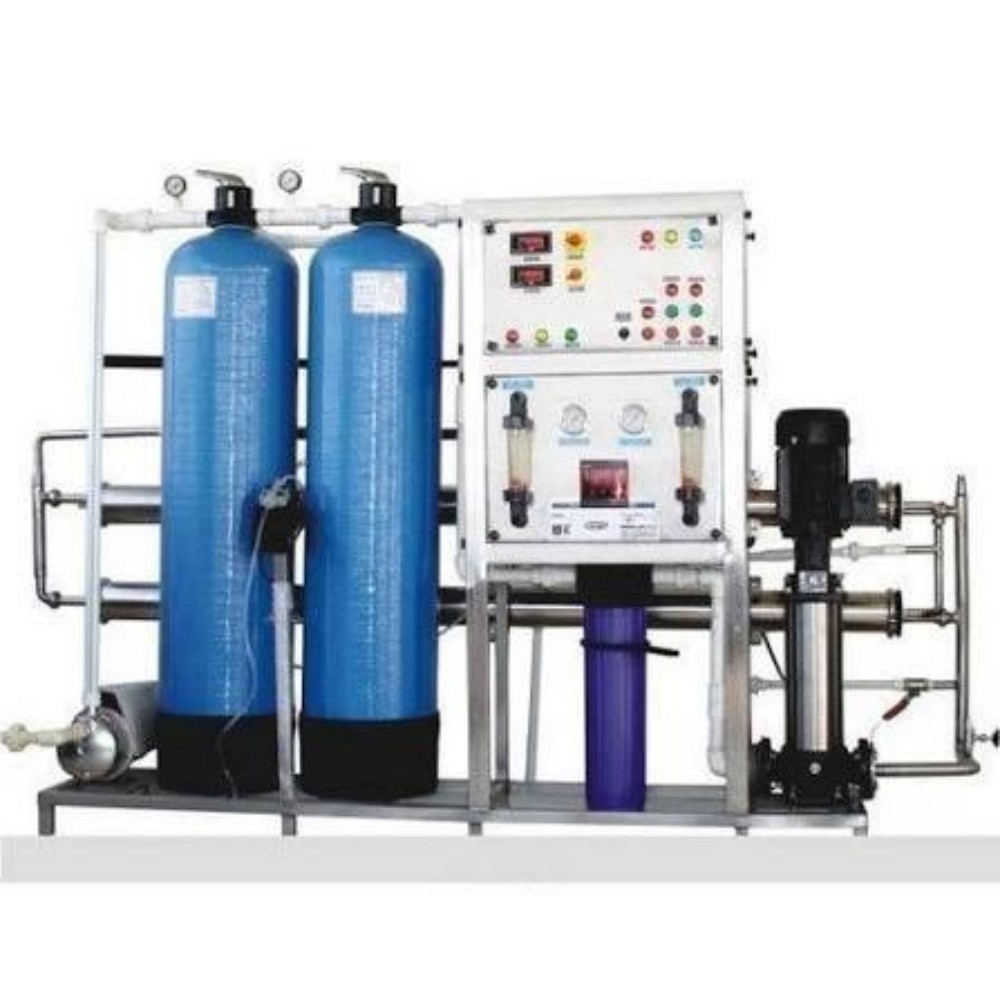
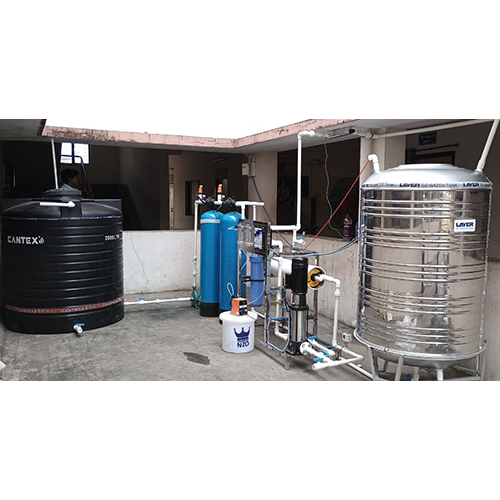
Durable and Customizable DesignThe plant is built with stainless steel and FRP for durability and corrosion resistance, suitable for floor mounting. Piping options include UPVC or SS to meet diverse requirements. Configurations are customizable according to client needs, accommodating various capacities and installation spaces.
FAQ's of RO PLANT:
Q: How does the RO plant achieve high water recovery and low TDS product water?
A: The RO plant utilizes high-efficiency reverse osmosis membranes (TFC) coupled with advanced pretreatment to recover up to 70% of feed water and reduce product water TDS to less than 50 ppm. Optimization of feed water conditions and periodic membrane maintenance further enhance recovery rates.
Q: What safety features are incorporated to protect the RO plant and ensure reliable operation?
A: The plant comes with low-pressure and high-pressure cut-off systems to prevent equipment damage. An auto flush mechanism helps maintain membrane health by removing contaminants, contributing to system longevity and minimal maintenance.
Q: When is pretreatment necessary, and what does this process involve?
A: Pretreatment is essential for extending membrane life and improving performance, especially when raw water contains sediments, organics, or scale-forming minerals. The process involves a sediment filter, an activated carbon filter, and antiscalant dosing to safeguard the downstream RO membranes.
Q: Where can this Industrial RO Plant be installed and in what applications is it most beneficial?
A: This skid-mounted, floor-mounted RO plant suits installation in factories, commercial buildings, water treatment plants, and institutional settings. It is especially beneficial where a consistent supply of high-quality purified water is crucial, such as for manufacturing processes, laboratories, and food industries.
Q: What is the process flow of water treatment in this RO plant?
A: Raw water first passes through sediment and activated carbon filters, followed by antiscalant dosing to minimize scaling. It then enters the RO membranes for primary purification. Optional UV post-treatment ensures microbial safety, and the purified water is ready for use or storage.
Q: How does the microprocessor-based digital panel enhance the operation and monitoring of the plant?
A: The digital control panel provides real-time monitoring and user-friendly control over the entire purification process. It alerts operators to any anomalies, automates critical functions, and records data for maintenance and performance analysis, making operation efficient and reliable.






 Send Inquiry
 Send Inquiry
 Send SMS